Catholic Frequency Topic Room mockup
Topic Room · Catholic Imagination

Chesterton

Wonder for a disenchanted age. A fully built-out Catholic Frequency category destination for G.K. Chesterton: start-here videos, a guided watch path, transcript excerpts, viewer responses, reading prompts, and related routes into fairy tales, apologetics, and Catholic culture.

Start WatchingViewer Responses

Start here

The first card is editorial, not chronological: the best doorway for someone who wants to understand why Chesterton matters now.

The Chesterton watch path

A guided sequence for new viewers. This can later be generated from a curated config instead of hand-authored HTML.

Step 01

Wonder

Recover the strangeness of creation and the gift hidden inside the ordinary.

Step 02

Common sense

Watch how Chesterton punctures cleverness when it becomes detached from reality.

Step 03

Conversion

Follow the argument that led Chesterton across the Tiber into the Catholic Church.

Step 04

Modernity

See why his warnings about boredom, news, progress, and ideology still feel current.

Featured Chesterton episodes

Manual editorial picks for the mockup. These include real Catholic Frequency YouTube-linked episodes plus related fairy-tale pathways.

Chesterton Wonder
Wonder

Chesterton Saw the Cure for Modern Boredom

The doorway: boredom, repetition, and the miracle of ordinary existence.

Common Sense
Common sense

When Clever People Lose Common Sense

Chesterton’s antidote to intelligence severed from reality, culture, and faith.

Why Chesterton Became Catholic
Conversion

Why Chesterton Became Catholic

The argument he could not escape: Catholicism as the home of reality.

Chesterton and the News
Media

Chesterton Knew the News Could Make Us Stupid

A prescient warning about information without wisdom and outrage without attention.

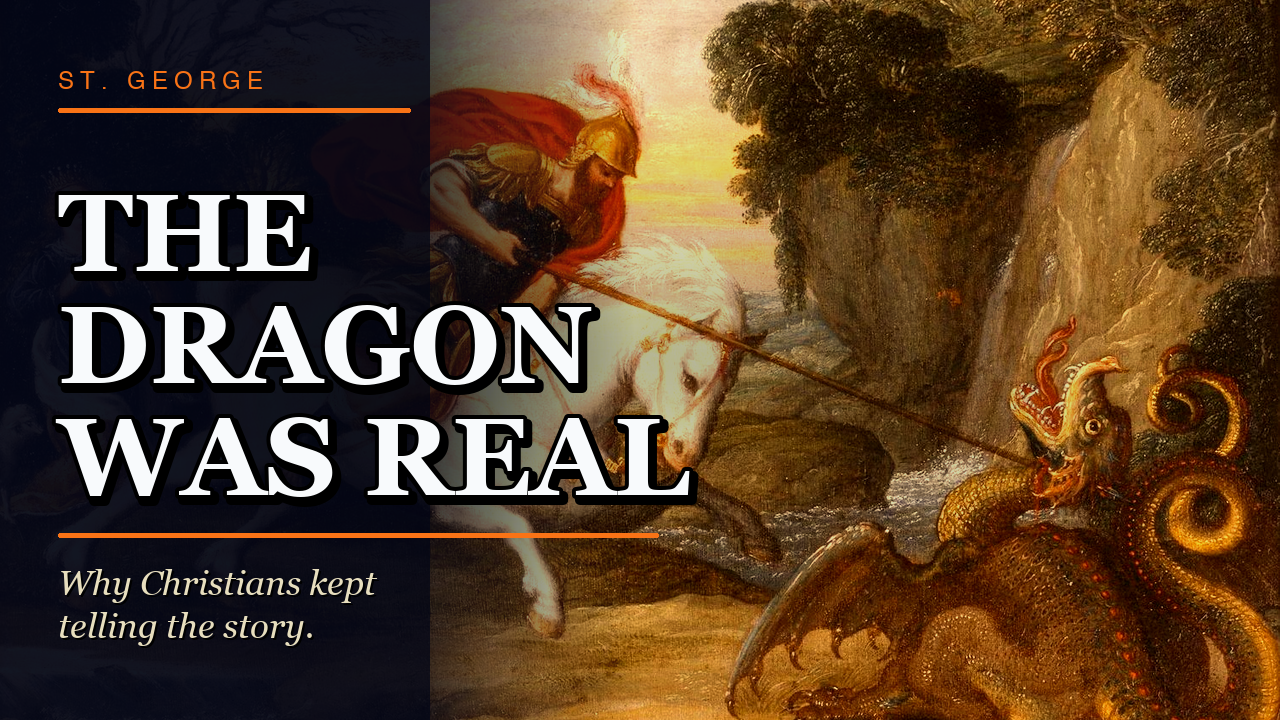
St. George and the Dragon
Fairy tales

St. George and the Dragon Was Never Just About a Dragon

A bridge from Chesterton’s moral imagination into dragons, courage, evil, and sanctity.

Modern Day Witches
Old stories

Modern Day Witches: The Anti-Mother

Fairy tales as moral maps — ancient warnings about power without love.

The argument of the room

Category pages can be SEO-rich and substantial without becoming walls of text. A few strong excerpts teach before they list.

“Boredom can mean the soul has failed to be astonished.”
Chesterton Saw the Cure for Modern Boredom
Editorial thesis

Chesterton helps modern people recover sane attention.

Instead of dumping every matching episode into a generic archive, this room gives the topic a thesis: Chesterton helps modern people recover wonder, gratitude, reality, and delight. The cards become pathways, not clutter.

Viewer responses

These are examples of how public YouTube comments could be used: curated, attributed to the source video, and shown as social proof rather than as a raw comment dump.

“Your G.K. Chesterton videos are my favourite.”

YouTube viewer Under “Chesterton Said the Dead Should Vote”

“I am so happy to have found your channel. It has given me a new appreciation for Chesterton.”

YouTube viewer Under “Chesterton Saw the Cure for Modern Boredom”

“Your videos got me ordering a number of Chesterton’s books, thank you very much indeed!”

YouTube viewer Under “Chesterton Predicted the Insanity of the Modern World”

“Orthodoxy had a profound effect on me. Chesterton deserves to be remembered.”

YouTube viewer Under “Chesterton Was Right About Everything”

“Common sense = wisdom = intelligence grounded in reality.”

YouTube viewer Under “When Clever People Lose Common Sense”

“Thanks so much for posting this — it was excellent. Keep up the good work.”

YouTube viewer Under “The Argument Atheists Could Never Escape”

More ways into Chesterton

These modules make the category page feel like a living guide rather than a dead tag page.

Reading prompt

Start with Orthodoxy

A short guided path could pair episodes with chapters from Orthodoxy and Heretics.

Shorts idea

One Chesterton quote per week

Turn the best transcript lines and public-domain quotes into vertical Shorts.

Article lane

Chesterton FAQs

Build searchable answers: Was Chesterton Catholic? What should I read first? Why fairy tales?

Community

Viewer-led recommendations

Surface thoughtful public comments that mention books, conversions, questions, and objections.

Chesterton FAQ

Simple Q&A blocks give the page long-tail search value and help new visitors understand the figure before choosing a video.

Why does Chesterton matter now?

Because he diagnosed modern problems before they became normal: boredom, ideological abstraction, contempt for the ordinary, cleverness without wisdom, and progress cut loose from reality.

Which Chesterton video should I watch first?

Start with “Chesterton Saw the Cure for Modern Boredom.” It gives the clearest entry point into wonder, gratitude, and the childlike sanity that runs through his work.

Was Chesterton Catholic?

Yes. Chesterton entered the Catholic Church in 1922. Catholic Frequency treats his conversion as part of the larger question that animated his writing: what account of reality is big enough for the whole human person?

Why connect Chesterton with fairy tales?

For Chesterton, fairy tales were not childish escapes. They preserved the moral grammar of reality: gratitude, limits, evil, courage, wonder, and the strange fact that existence itself is gift.

Chesterton’s life in 7 moments

Enough biography to orient a new viewer, with a clear path into a dedicated figure page for deeper reading and search value.

1874

Born in London

Gilbert Keith Chesterton is born in Kensington, London, into the late Victorian world he would later critique with affection and wit.

1900s

Journalist & essayist

Chesterton becomes one of England’s most recognizable public writers: debating politics, literature, faith, family, and modern progress.

1908

Orthodoxy

His classic defense of Christian sanity presents faith not as a narrowing of the mind, but as the adventure large enough for reality.

1911

Father Brown

The priest-detective stories begin, showing Chesterton’s belief that sin, mercy, and human motive are best understood through Catholic eyes.

1922

Enters the Church

After years of circling the question, Chesterton is received into the Catholic Church — the “home” his arguments had been finding all along.

1925

The Everlasting Man

Chesterton answers modern accounts of man and religion with a sweeping argument for the strangeness of humanity and the uniqueness of Christ.

1936 → now

A living influence

He dies in Beaconsfield, but his voice keeps resurfacing wherever wonder, common sense, conversion, and Catholic imagination are needed.